Data Centers & Real Estate: 5 Impacts on Home Values
Data centers significantly impact residential real estate by influencing local property values, noise levels, and utility infrastructure. While they offer regional economic growth, proximity often leads to increased electricity rates for neighboring residents and aesthetic shifts in suburban landscapes, making them a critical factor for modern home shoppers.
What is the evolution of data centers?
The journey of the data center began in the mid-20th century with massive mainframes housed in specialized rooms. In those early days, a "data center" was essentially a fortified basement with a false floor and a heavy-duty cooling system to prevent giant computers from melting down. As we moved into the 1990s and the dot-com boom, these facilities multiplied, but they were still largely invisible to the average homeowner. They were tucked away in industrial parks or deep within urban office buildings.
Fast forward to the 2020s, and the evolution of data centers has taken a dramatic turn. We are no longer looking at small server rooms; we are looking at massive "hyperscale" campuses. Driven by the explosion of cloud computing, streaming services, and now artificial intelligence, these facilities have grown in size and appetite. They require hundreds of acres of land and an astronomical amount of electricity. This growth has forced developers to look outside of traditional industrial zones and move into the suburbs—often right into the backyard of residential neighborhoods.
The Digital Landscape Shift
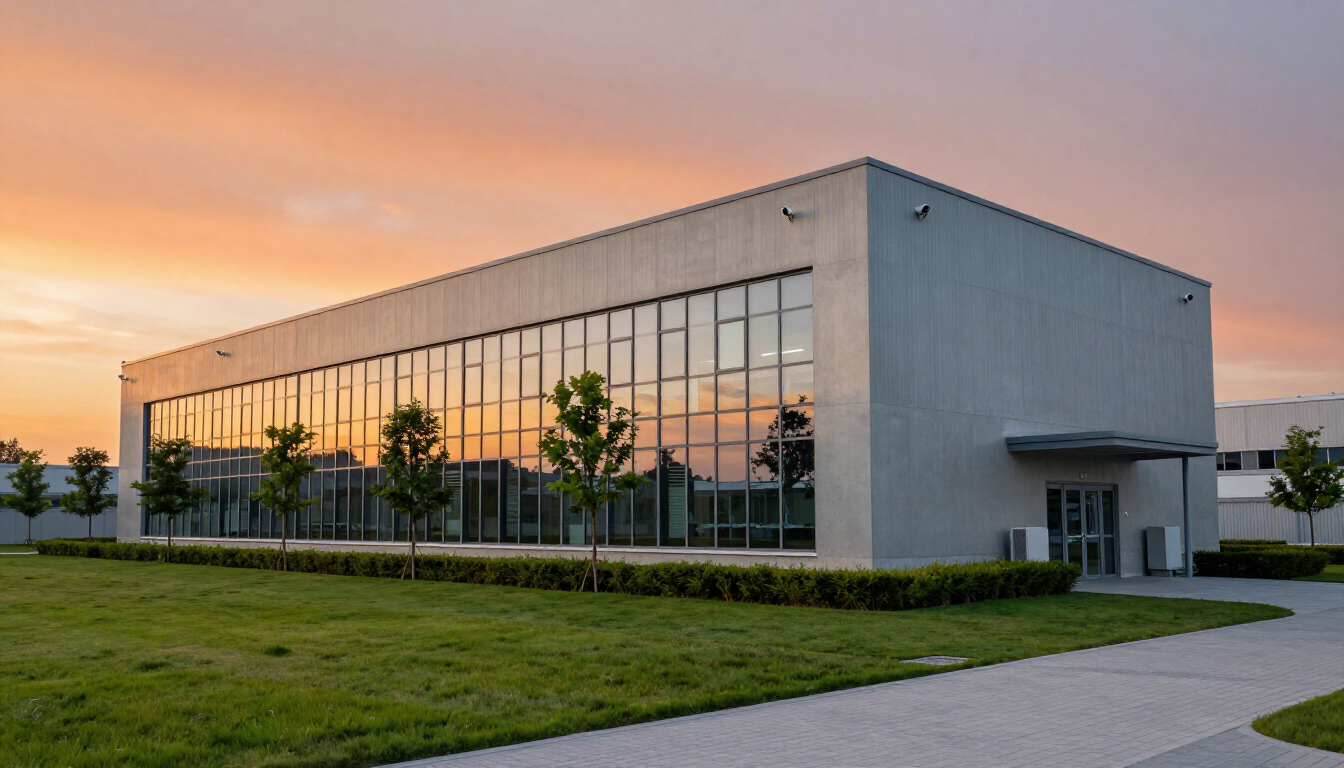
As data centers move closer to residential areas, the landscape of our communities is changing. What used to be a quiet plot of land or a small wooded area might now be home to a million-square-foot windowless building surrounded by security fences and massive humming cooling units. For a homeowner, this shift is more than just a change in scenery; it is a change in the fundamental character of the neighborhood.
Modern data centers are designed for efficiency and security, not necessarily for aesthetics. While many developers try to hide these structures behind berms or landscaping, their presence is undeniable. If you are looking to Find A Home in an area seeing rapid tech growth, like parts of San Antonio or Northern Virginia, understanding the proximity of these digital behemoths is essential for your long-term satisfaction and property value.
How do data centers affect home values?
The impact of data centers on real estate is a double-edged sword. On one hand, these facilities bring significant tax revenue to local municipalities. This influx of cash can fund better schools, smoother roads, and improved public services, which generally boosts property values across the entire city. For sellers who want to List With Me , highlighting the strong local economy driven by tech infrastructure can be a major selling point.
On the other hand, the immediate proximity to a data center can be a deterrent for some buyers. Concerns about noise from industrial-grade cooling fans, the loss of scenic views, and the perceived health risks of living near high-voltage substations can shrink the buyer pool for a specific home. When the buyer pool shrinks, prices can stagnate or even dip compared to similar homes further away from the facility. Key factors influencing property values near data centers include:
- Distance from the primary cooling towers
- Visible industrial architecture from the backyard
- Local zoning protections for future expansion
- Increases in commercial traffic for maintenance
- Impact on local green space and wildlife
Navigating Utility Costs and Infrastructure
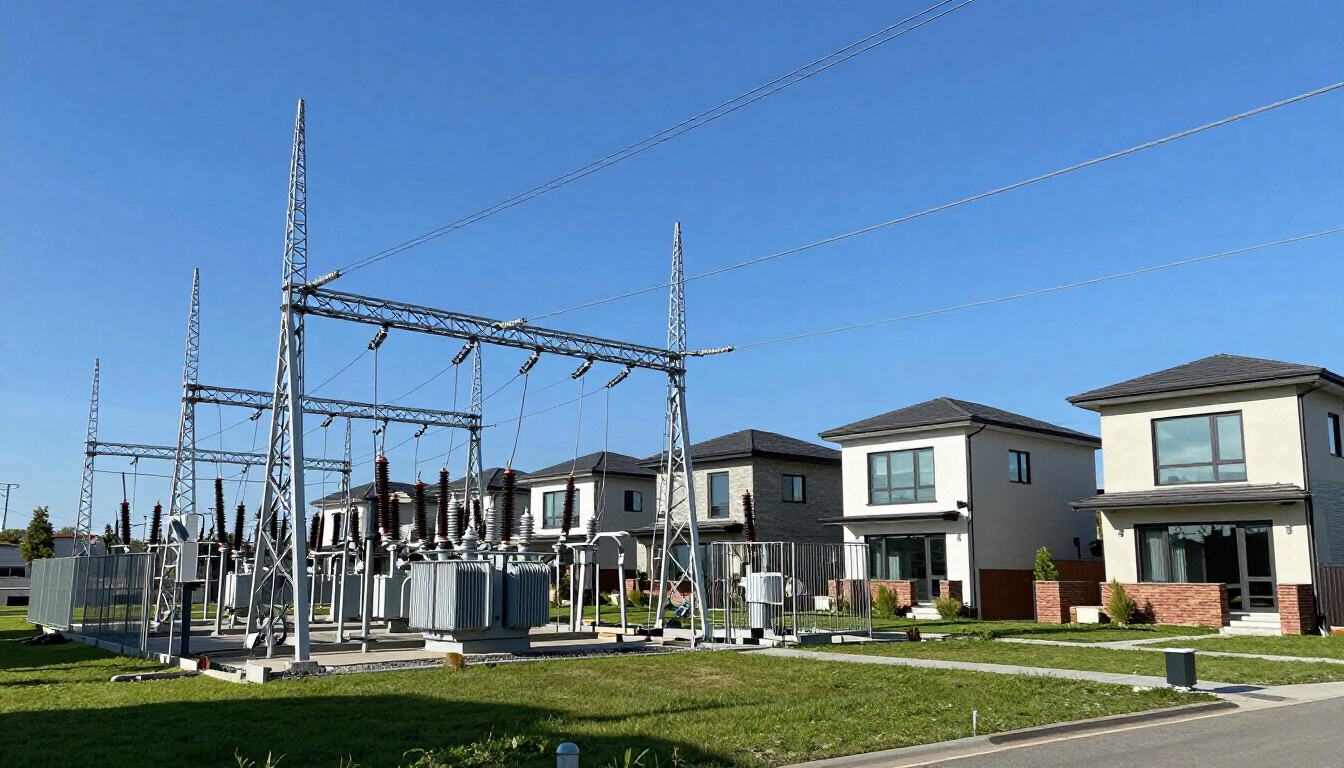
One of the most overlooked consequences of the data center boom is the strain on the local electrical grid. Data centers are power-hungry entities, often consuming as much electricity as a small city. This massive demand requires the construction of new substations and high-voltage transmission lines, which frequently cut through residential areas. For a homeowner, a new row of 100-foot-tall power towers in the neighborhood can be a significant blow to curb appeal.
Beyond the visual impact, there is the question of who pays for this infrastructure. While data centers often pay for their internal connections, the broader grid upgrades needed to support their presence are sometimes passed on to the local ratepayer. This is a crucial consideration for anyone planning their budget after a home purchase. Checking the local utility commission’s filings can reveal if a neighborhood is slated for future rate hikes due to industrial power demands.
Are data centers causing higher electricity bills?
Yes, in several growing tech hubs, residents are seeing a direct correlation between data center expansion and rising electricity bills. The sheer volume of power required by these facilities can lead to "peak demand" pricing or infrastructure surcharges. When the grid is stressed—especially during the hot Texas summers—the cost of providing power increases for everyone. In some instances, utility companies must purchase expensive energy from outside the region to meet the data center's constant needs, and those costs are distributed among all customers.
Furthermore, some cities have implemented tiered pricing structures where industrial users get a bulk discount, leaving residential neighborhoods to shoulder a larger percentage of the fixed costs for maintaining the grid. It is an ironic situation where the neighborhood housing the servers that power our digital lives is the same neighborhood paying a premium for its own lights and air conditioning.
What are cities charging neighborhoods near data centers?
Cities are grappling with the logistical nightmare of supporting these facilities while keeping their residents happy. To mitigate the costs of infrastructure, some municipalities have introduced specific fees and charges that affect the surrounding neighborhoods. These are not always labeled as "Data Center Fees," but they are a direct result of the facility's presence. Common charges and financial impacts include:
- Infrastructure development surcharges on monthly bills
- Increased property tax assessments due to nearby commercial growth
- Water usage fees for cooling-intensive data centers
- Special assessment districts for road widening and maintenance
- Higher permit fees for residential electrical upgrades
These charges are often hidden in the fine print of local ordinances, but they can add hundreds of dollars to the annual cost of homeownership. If you are concerned about how local legislation might affect your future home, don't hesitate to Contact me for a deeper look into the specific zoning and utility trends in our area.
Real Estate Strategy for the Modern Era
In the modern real estate market, being an informed buyer or seller means looking beyond the four walls of the house. You have to look at the regional infrastructure plan. If you are buying, you need to ask if that empty field behind the cul-de-sac is zoned for a data center. If you are selling, you need to know how to frame the economic benefits of local tech growth while addressing any concerns about noise or utility costs.
The evolution of data centers is not slowing down. As AI continues to evolve, the demand for these facilities will only grow. This means more neighborhoods will find themselves living side-by-side with the cloud. By understanding the consequences—both the financial burdens of electricity and the potential benefits of a robust tax base—you can make a decision that protects your investment and your quality of life.
Summary and Key Takeaways
Understanding the relationship between data centers and real estate is vital for making a smart move in today's market. These facilities are the backbone of our digital economy, but their physical presence has real-world consequences for homeowners. Whether it is the visual impact of industrial buildings or the hidden costs of electricity and city surcharges, being prepared is your best defense.
- Research local zoning: Check for "Light Industrial" or "Data Center" overlays near your potential home.
- Monitor utility trends: Look for recent or proposed rate hikes from local energy providers.
- Assess the noise: Visit the area at different times of day to listen for industrial cooling hums.
- Leverage tax benefits: Factor in the long-term benefit of a high-tech tax base for schools and services.
- Talk to a professional: Use expert guidance to navigate the complexities of tech-adjacent real estate.